
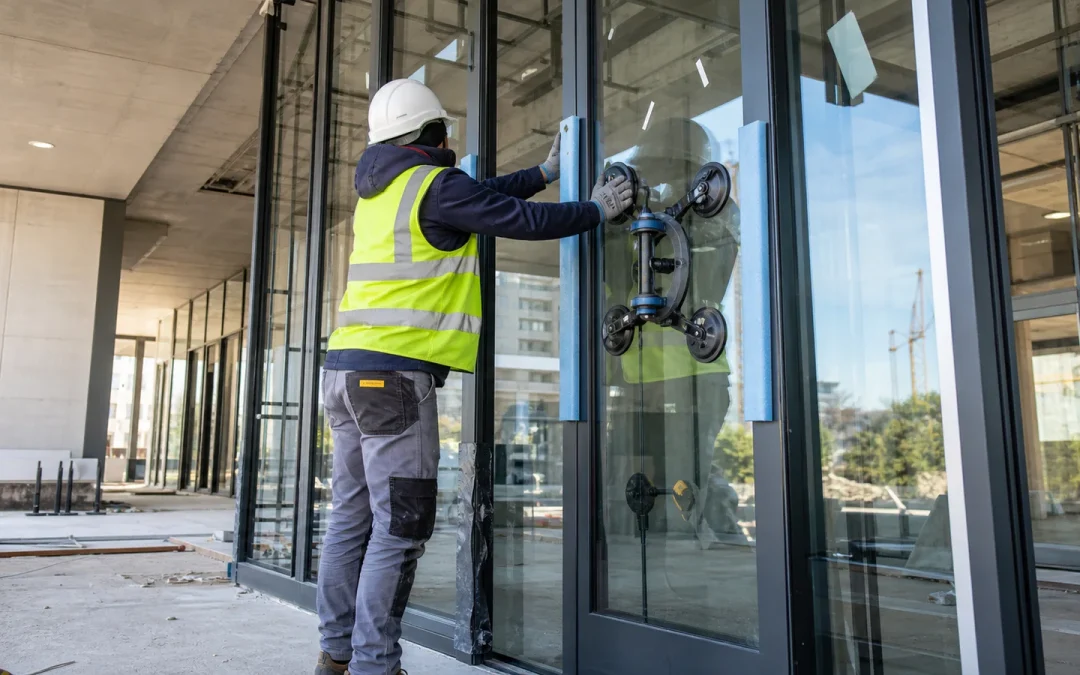
Glass is used throughout modern buildings to bring in daylight, create views and divide spaces. In areas where people may collide with glazing or fall against it, ordinary glass can present a serious injury risk. South Africa’s building framework therefore requires glass to be selected, fixed and identified with human safety in mind.
This overview explains the main principles. It is general information, not a substitute for a project-specific specification by a competent professional or confirmation from the relevant local authority.
The regulatory foundation
Part N of the National Building Regulations deals with glazing. Regulation N1 requires glazing material to be secure and durable, safely withstand reasonably expected wind actions, resist water penetration and be apparent to a person approaching clear glazing.
It also requires glass and other glazing materials to provide an appropriate degree of safety in relation to the position of the glazed area and the number and likely behaviour of people nearby. The regulation states that these requirements are deemed to be satisfied when glazing is selected, fixed and marked in accordance with SANS 10400-N.
The standards commonly involved
Several standards may be relevant to a glazing installation:
- SANS 10400-N provides deemed-to-satisfy rules for glazing in buildings.
- SANS 1263-1 addresses safety performance requirements for safety glazing materials.
- SANS 10137 addresses the installation of glazing in buildings.
The correct edition and all applicable requirements should be confirmed for the particular project. Other rules may also apply depending on fire safety, energy use, balustrades, accessibility, occupancy and the building design.
What makes safety glazing different?
Safety glazing is manufactured or constructed to reduce the likelihood of serious cutting or piercing injuries when it breaks under human impact. Common forms include toughened safety glass and laminated safety glass, but they behave differently.
Toughened glass is heat treated and generally breaks into many relatively small fragments. Laminated glass contains an interlayer that helps hold broken pieces together. The appropriate product depends on where it will be used and what the glazing must do after impact or breakage.
Safety glass is not automatically the same as security glass, fire-resistant glass or energy-efficient glass. A specification may need to address more than one performance requirement.
Where is safety glazing typically considered?
Risk is assessed by location and use, not simply by whether a building is residential or commercial. Particular attention is commonly required around:
- Doors, sidelights and entrances
- Low-level glazing
- Showers and bathrooms
- Shopfronts and display windows
- Areas near stairs, ramps and circulation routes
- Glazed barriers, balustrades and locations where a fall is possible
- Schools, public buildings and other busy occupancies
The exact glass type and thickness cannot be chosen from a generic list alone. Pane dimensions, support conditions, wind exposure, human-impact risk and post-breakage behaviour all matter.
Marking and traceability
Compliant safety glazing should carry the required permanent identification so that its type and conformity can be verified after installation. A sticker that can simply be removed is not the same as a permanent product mark.
Owners and contractors should retain specifications, supplier information and any glazing or installation certificates required for the work. Documentation is particularly important on commercial projects and when work is inspected.
Why professional selection and installation matter
Even correctly manufactured glass can perform poorly if the panel is the wrong size, its edges are damaged, clearances are inadequate or the supporting system is unsuitable. Frames, gaskets, fixings, drainage and workmanship are all part of glazing safety.
Before replacing or adding glass, ask:
- Has the location and human-impact risk been assessed?
- Is the specified product suitable for the pane size and support system?
- Will the safety mark remain visible after installation?
- Do the frame, hardware and installation method suit the glass?
- Are certificates or municipal approvals required?
Choose experience, not guesswork
Glazing compliance protects people and reduces risk for owners, designers and contractors. GA Glass & Aluminium has extensive experience in residential, commercial and industrial glass and aluminium installations. Contact our Johannesburg team to discuss your project; where a specialist design or formal approval is required, ensure the relevant competent professional and local authority are involved.
Explore our glass and aluminium products, view our project gallery, or request a quotation.